
St. Augustine and Facilities
The Center is an institution that celebrates and embodies Hazel’s spirit and contributions while advancing knowledge, activism, and community for an ethical and green economy for future generations. It is also, a remarkable place to be. Your team will have the opportunity to experience all the reasons Hazel chose this home, in this place.
Land Acknowledgement
The Hazel Henderson Center acknowledges that our Center at 10 Carrera Street in St. Augustine stands on the ancestral lands of the Timucua peoples, including the Mocama communities who lived along Florida's northeast coast for generations before European settlement. We honor their enduring legacy and commit to a future rooted in respect, stewardship, and care for the Earth.
We include this acknowledgement because Indigenous traditions of stewardship reflect a principle at the heart of Hazel Henderson's work: that human well-being, economic activity, and ecological health are inseparable. By recognizing those who cared for this place long before us, we honor knowledge systems grounded in reciprocity, responsibility, and respect for future generations—values that continue to inspire the Center's mission and work today.
St. Augustine
St. Augustine is the oldest continuously inhabited European-founded city in the United States. Its historic district is compact and fully walkable — cobblestone streets, Spanish colonial buildings, Flagler College’s gilded halls, the Castillo de San Marcos standing guard over the bay since 1672. Within a short walk from The Center: waterfront seafood restaurants, neighborhood wine bars, art galleries, the kind of independent dining that grows from four hundred and fifty years of layered culinary history. There are many hotels, bed and breakfasts and short-term rentals surrounding the Center. Beaches on the Atlantic are fifteen minutes away. You can rent bicycles, kayaks and boats to experience the many natural places around St. Augustine.
Black American History
St. Augustine is foundational to Black American history, serving as the first legally sanctioned free Black settlement in the U.S. (Fort Mose in 1738) and a pivotal battleground during the 1960s Civil Rights Movement. The intense protests and national media attention directly helped push the Civil Rights Act of 1964 across the finish line. The 1960s Civil Rights Movement Referred to as “Florida’s Birmingham,” St. Augustine was a focal point for nonviolent protests against segregated facilities.
Facilities
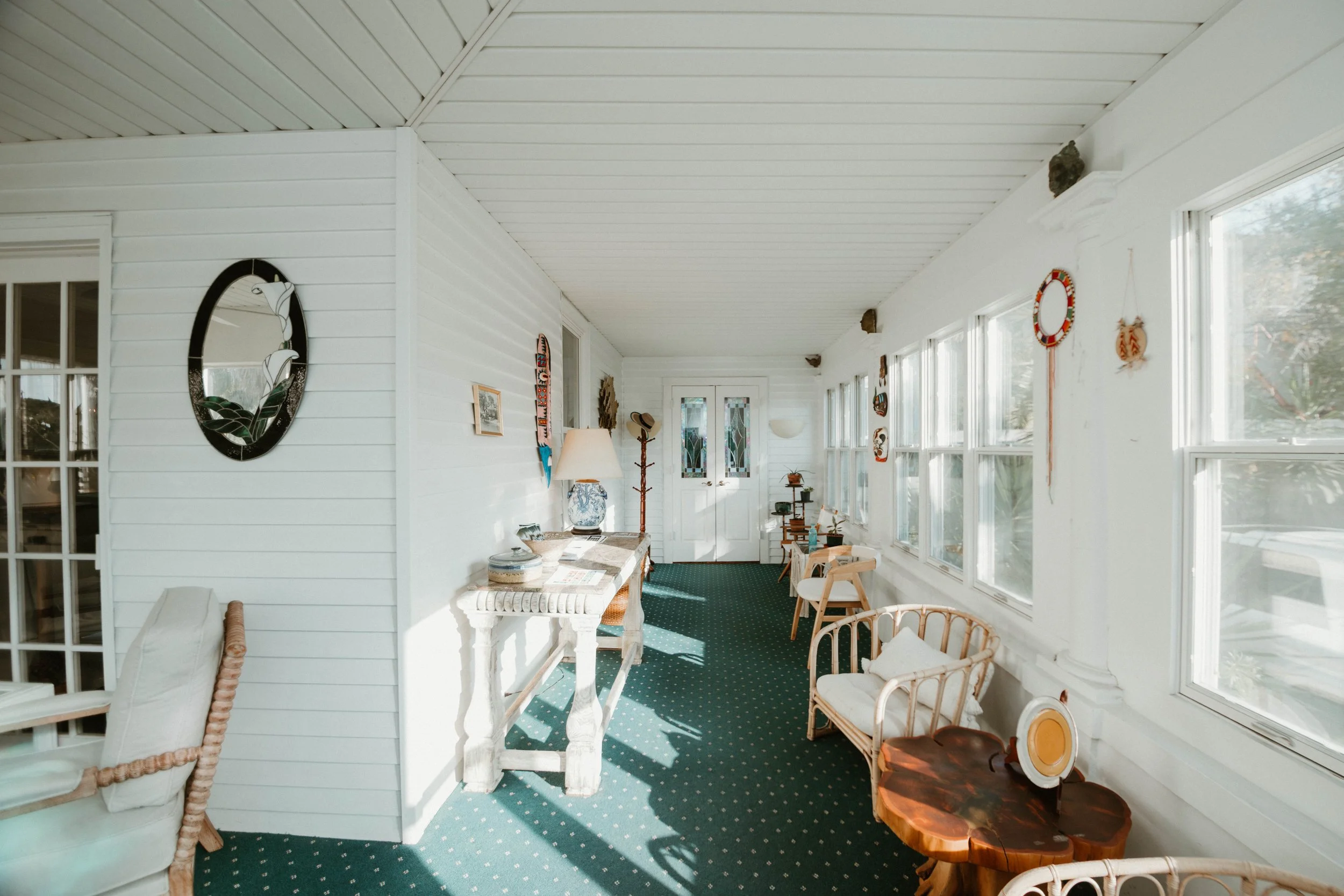
Porch

Dining Room
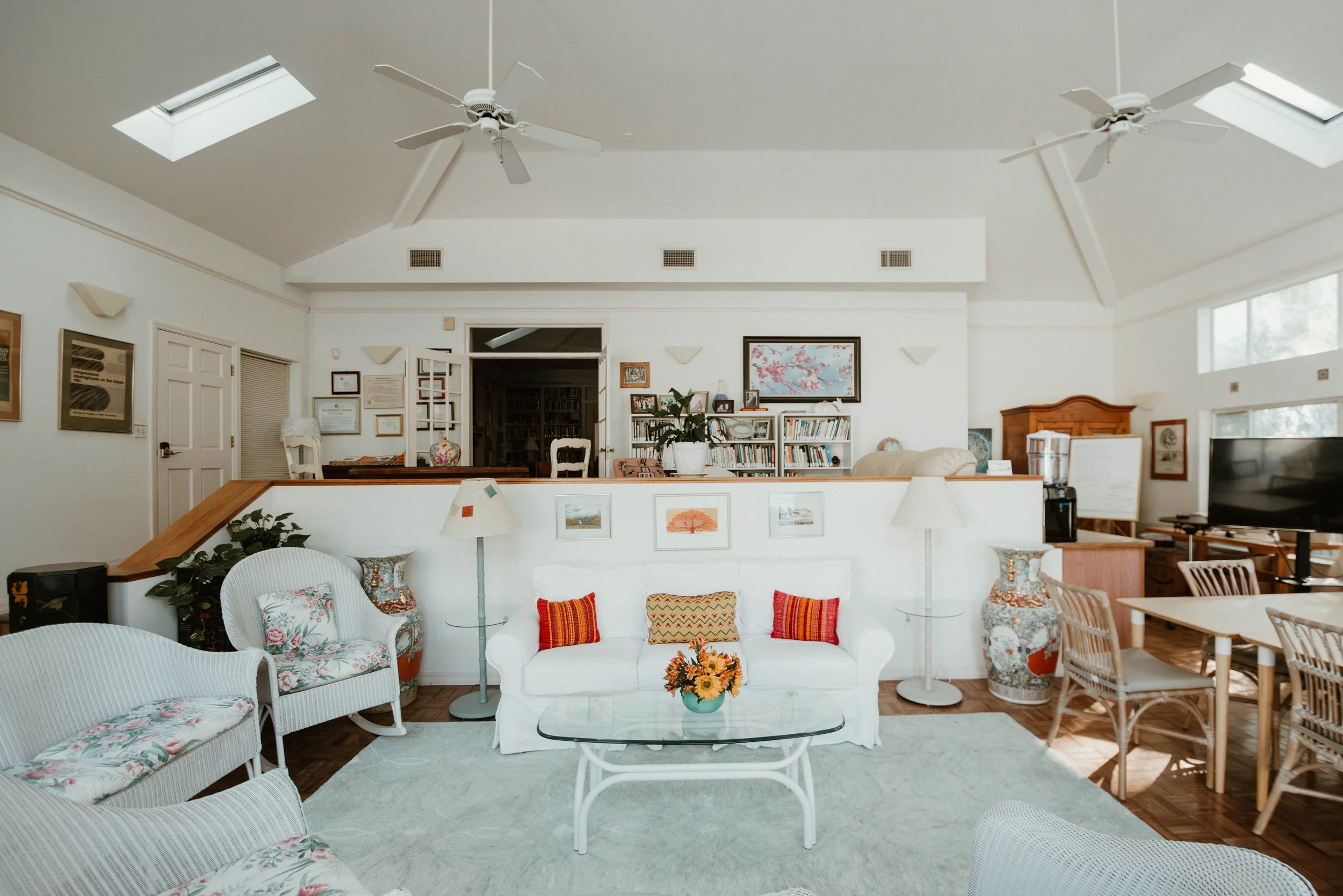
Sun Room
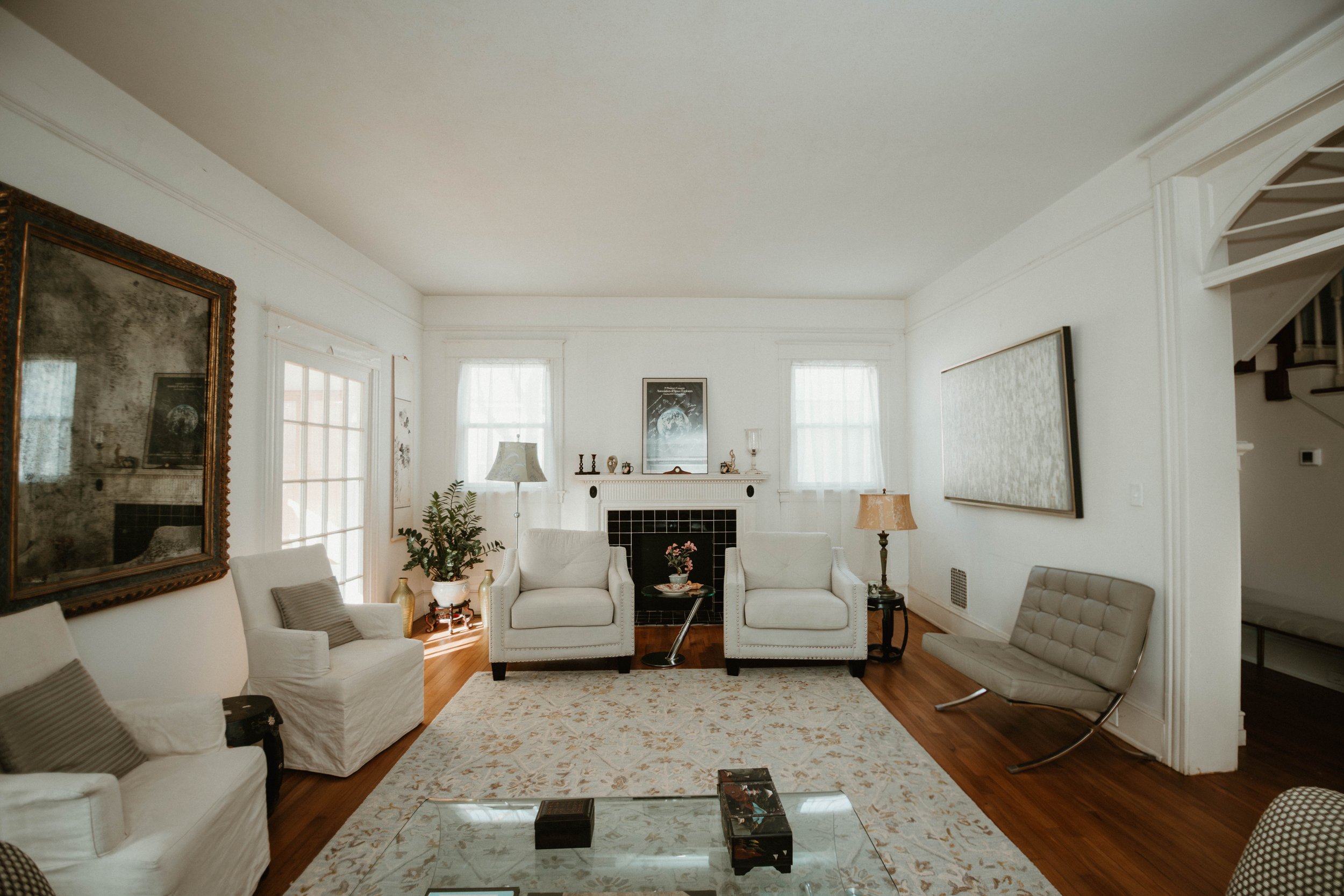
Parlor

Kitchen
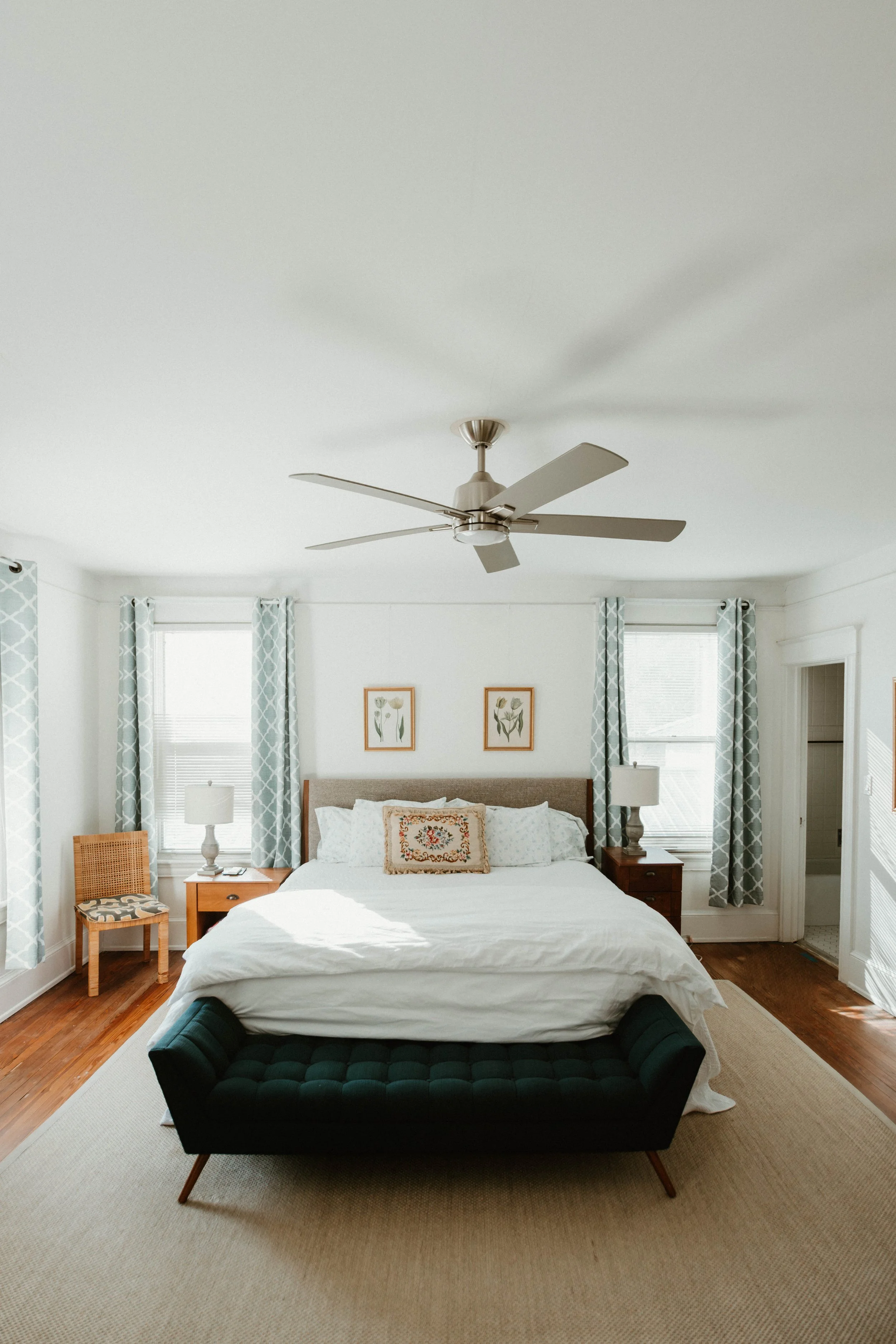
Upstairs Bedroom
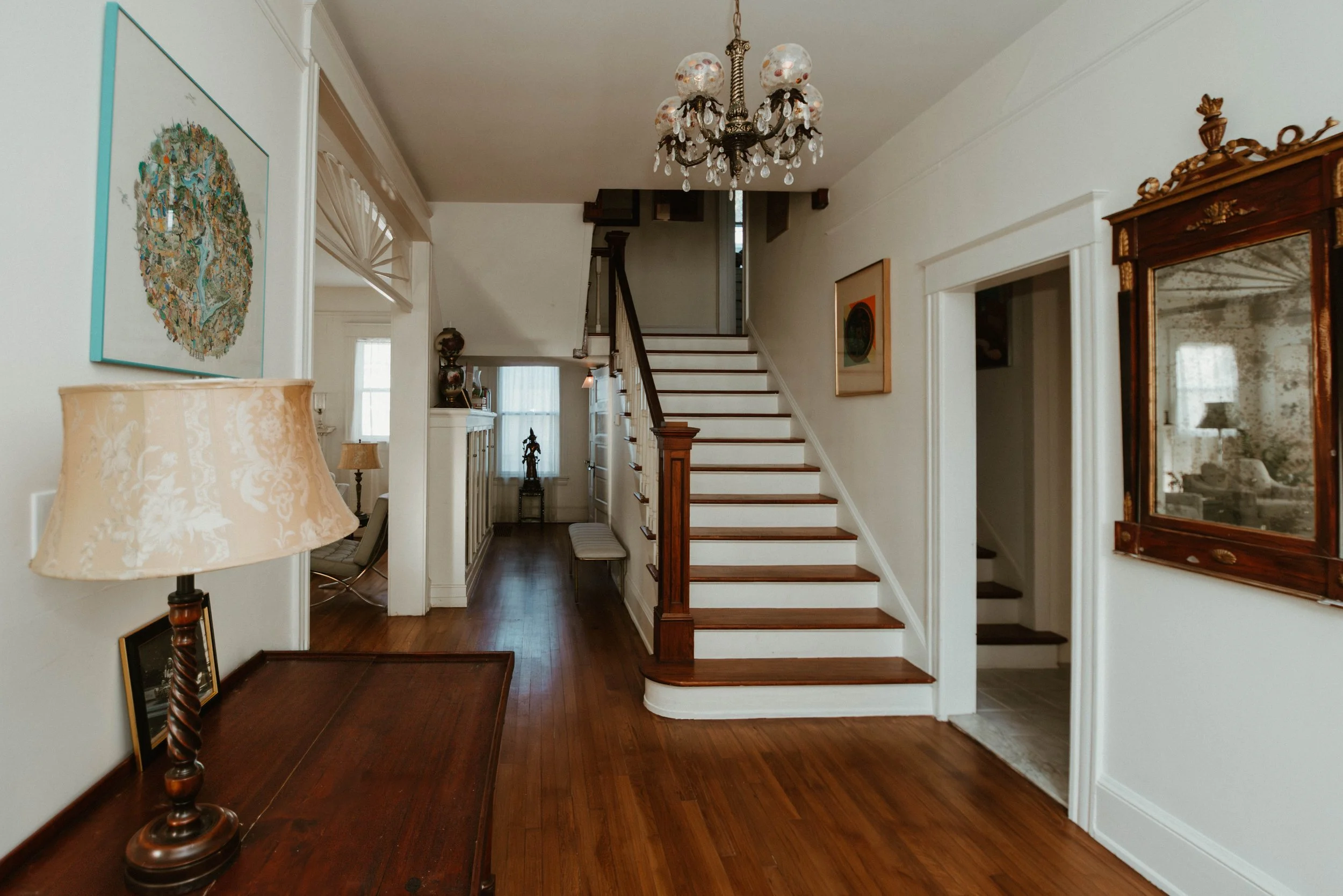
Stairway
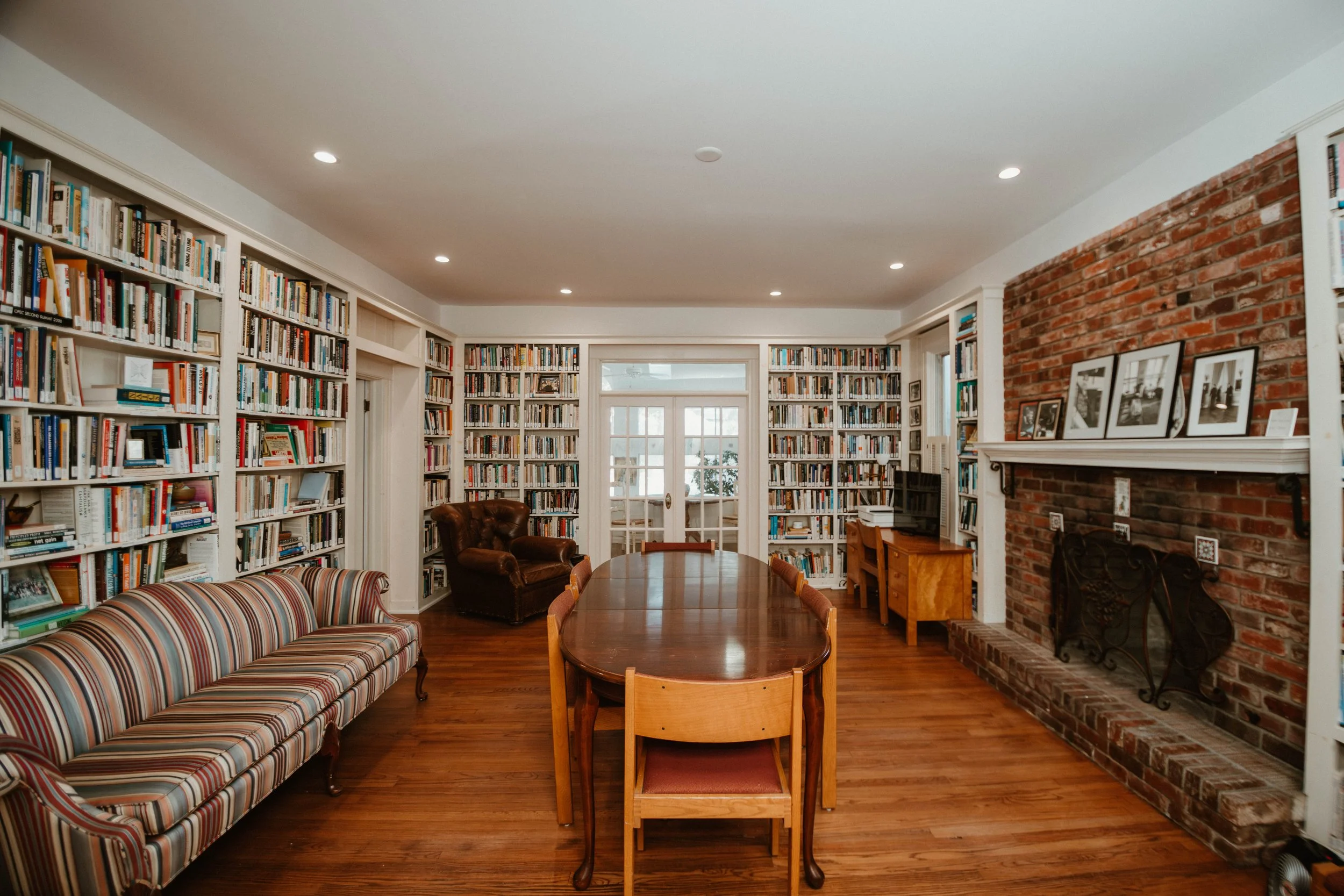
Library
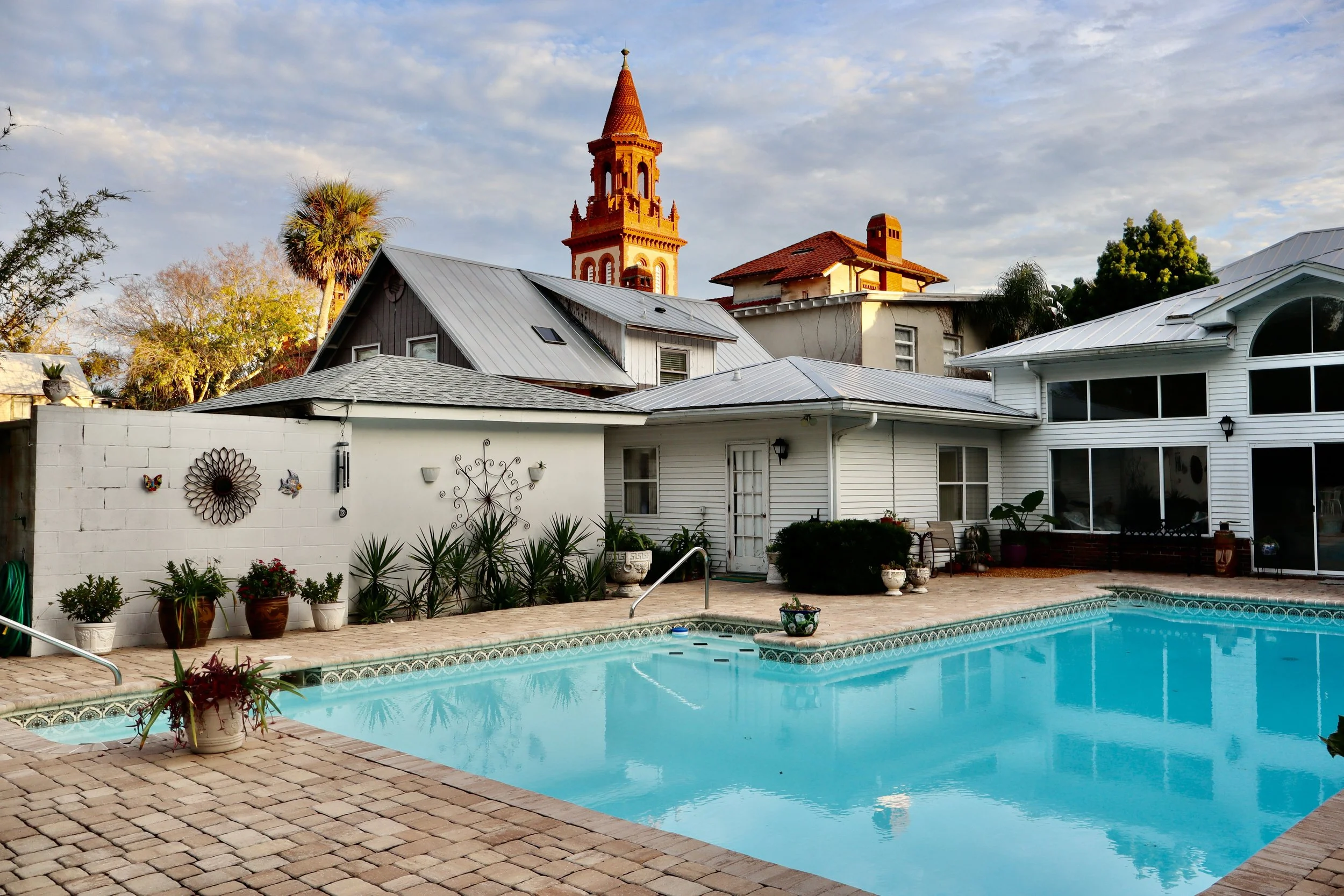
Outside